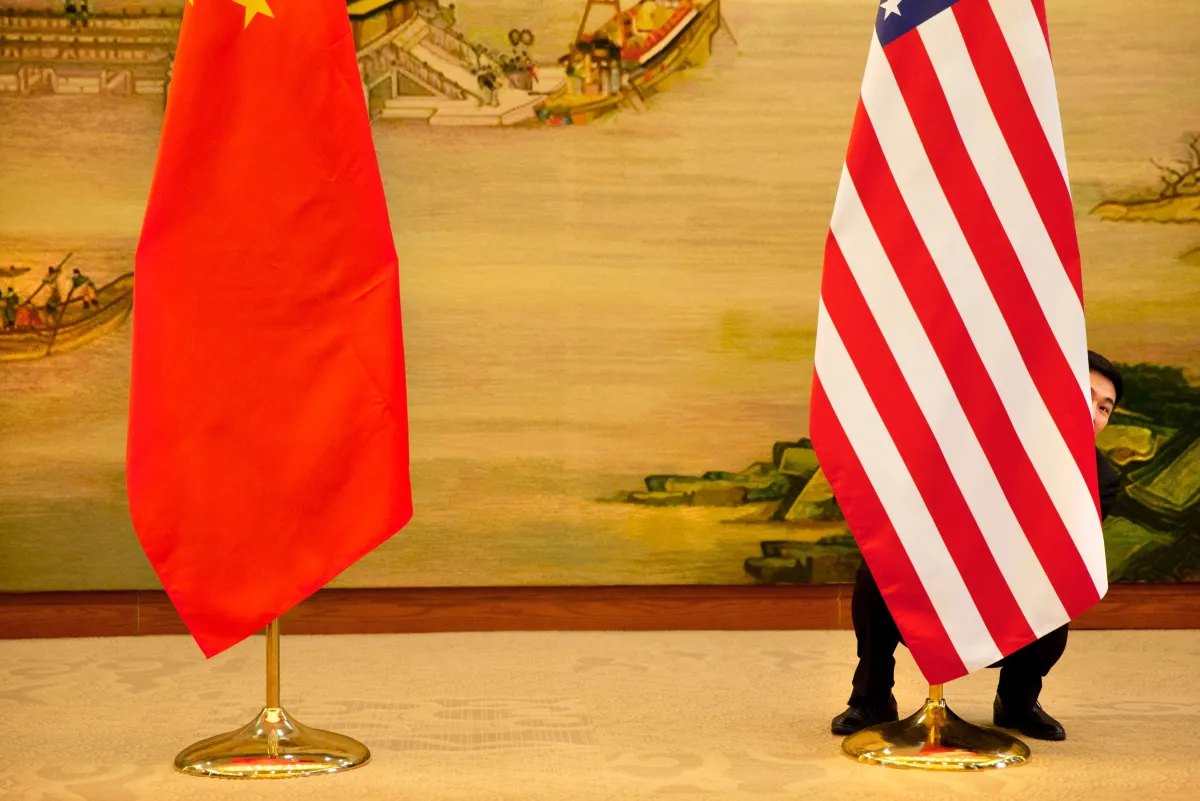
Washington just tightened the rules on foreign-made drones and robots, and everyone knows who they’re really aimed at. In July and August, US regulators added advanced robotic devices to the FCC’s Covered List and slapped new tariffs on imported drones, citing national security. The problem: China’s manufacturing scale is so far ahead that new barriers might just push the competition somewhere else instead of slowing it down.
Why the US Is Cracking Down on Chinese Robotics
From Telecom to Robots
The FCC’s Covered List started in 2021 targeting telecom and surveillance gear from companies like Huawei and Hikvision. It’s since expanded twice, first to drones, now to humanoid robots. Drone tariffs take effect in September, with tariffs on components following in 2027.
The Numbers Behind the Panic
The restrictions arrive at an awkward moment. Chinese manufacturers shipped roughly 22,000 humanoid robots globally in the first half of 2026, according to Counterpoint Research, and the world’s five biggest makers by volume, AgiBot, Unitree, Galbot, UBTECH and Leju Robotics, are all Chinese. Together they control 86% of global shipments. American robotics firms simply aren’t operating at that scale yet.
China’s Scale Advantage Is Hard to Legislate Away
Cheaper Robots Mean More Data
Lower prices let Chinese manufacturers get more robots into real-world use. More robots in use means more operational data. More data means faster improvement. It’s a loop that compounds, and tariffs on one country’s imports don’t break it.
Bringing the Whole Stack In-House
Counterpoint analyst Soumen Mandal points to another factor: Chinese humanoid makers are pulling more of their technology stack in-house and leaning on China’s existing manufacturing base, the same base that already builds most of the world’s consumer electronics. That’s a structural advantage, not a pricing trick that tariffs can undo.
What This Means for the Global Drone and Robotics Market
The Ban Gets Specific
The robotics import ban now requires devices to be assembled in the US with at least 65% domestic parts, a rule that applies to all countries but is clearly built with China in mind. On the drone side, Beijing has responded in kind, tightening export licensing on drones and components headed to the US as of early August.
A Market That Just Moves
None of this changes the fundamentals for buyers outside the US. DJI still dominates civilian drones worldwide, and Chinese humanoid makers still control the humanoid robot supply chain. If American buyers get walled off, the rest of the world doesn’t necessarily follow. The restrictions may protect slices of the domestic market, but they don’t touch the scale advantage everywhere else.
Conclusion: Barriers Without a Cost Advantage
The US is playing defense on drones and robots, but defense alone doesn’t close a manufacturing gap this wide. Unless American and allied producers can scale production and cut costs, these restrictions may just redirect where China sells, not whether it wins. Keep an eye on how the September tariffs play out.