Building AI is one thing. Getting it to actually work on a job site is another. Caterpillar’s AI deployment strategy leans hard on a lesson it learned the hard way, decades before generative AI existed: autonomy only works when people and processes change alongside the machines.
What Caterpillar Learned From Automating Mining
Hazardous Work, High Stakes
Caterpillar’s autonomous push started in mining, where hazardous conditions and chronic labor shortages made automation less of a luxury and more of a necessity. It now sells automated haul trucks, drilling systems, underground loaders, dozers, and remote-controlled construction equipment, backed by a software command center and fleet management tools.
It’s Not Just About the Machine
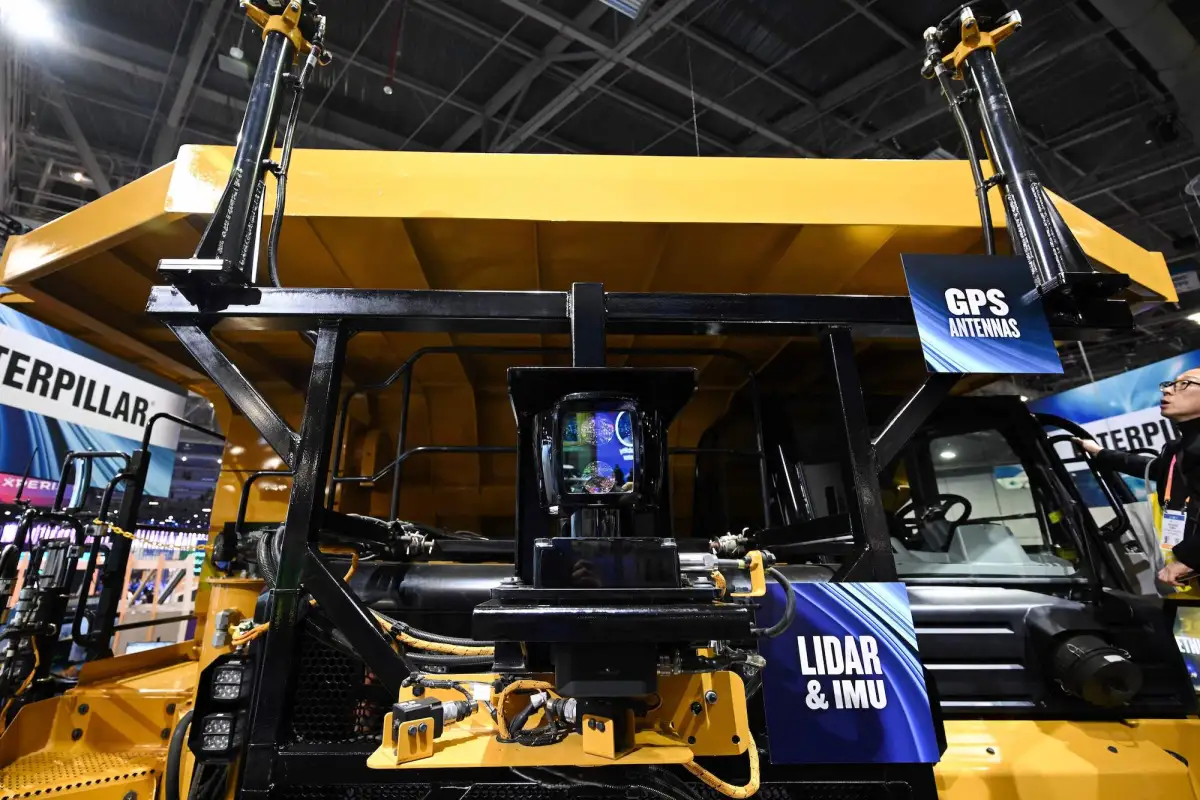
Autonomous haul trucks use LiDAR, GNSS positioning, and radar to navigate mine sites and obey speed limits and queuing rules automatically. But CTO Jaime Mineart says the harder problem was never the technology itself. It was rethinking how people work alongside it, from control room staff monitoring fleets to technicians servicing automation systems instead of driving trucks.
Taking the Mining Playbook Into New Territory
From Fixed Routes to Dynamic Job Sites
Mining operations run on defined areas and repeatable routes, which makes them a relatively controlled environment for automation. Construction sites and quarries are messier, with more varied tasks and conditions. Caterpillar is now adapting what it learned underground for these less predictable settings.
A Broader Autonomous Toolkit
The company has added remote terrain intelligence and digital twin technology that scans sites and models operations for analysis. That’s the same integration challenge from mining, applied to environments that change day to day.
AI Beyond the Job Site
Helping the People Who Fix the Machines
One standout tool is the Cat AI Assistant, which lets field technicians use voice commands to pull up repair procedures, troubleshoot issues, and identify parts while standing right next to the equipment. It’s a small example of a bigger shift: using AI to support the humans doing the work, not just the machines they operate.
AI in the Back Office Too
Caterpillar is also deploying AI agents internally to modernize legacy code, generate and test new software, and catch defects earlier in development. The company treats this enterprise use the same way it treats jobsite autonomy: technology is only half the equation.
Conclusion: The Real Lesson Is Organizational, Not Technical
Caterpillar’s biggest takeaway from mining automation isn’t a sensor stack or an algorithm. It’s that deploying AI successfully means transforming how a workforce operates, not just bolting new tech onto old processes. As more industrial companies chase AI deployment, Caterpillar’s decades of hands-on experience may prove more valuable than any single product launch. Stay tuned as this rollout expands beyond mining and construction.