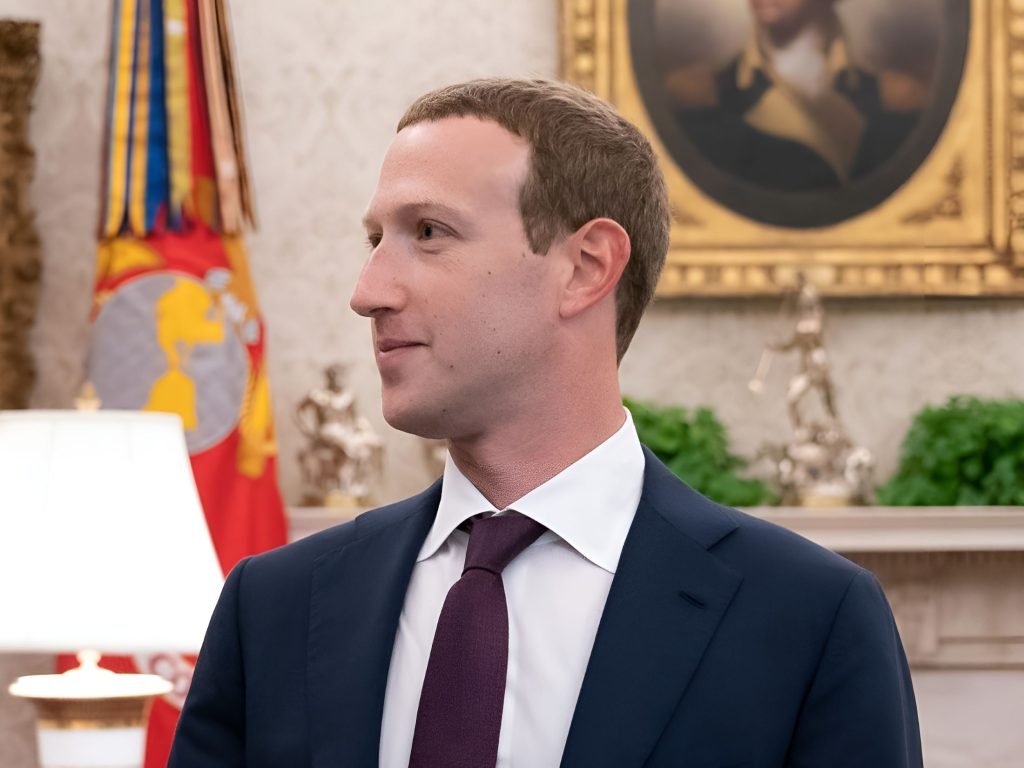
Mark Zuckerberg’s new AI manifesto dropped this week, all 6,500 words of it, and it accidentally does a better job of explaining why people distrust AI than any critic could. That’s the strange part. He’s trying to sell optimism, and the pitch keeps tripping over its own anxiety.
What’s Actually In Zuckerberg’s AI Manifesto
The “Personal Superintelligence” Pitch
The essay, titled “The Future Is for Everyone,” centers on what Zuckerberg calls personal superintelligence: an AI agent tailored to your goals, handling everything from tutoring to career coaching to health advice. He frames individual empowerment as the whole point, arguing that spreading this technology widely is safer than letting a handful of labs control it.
Meta is backing the talk with real money. The company’s projecting $145 billion in capital expenditure for 2026, mostly for AI data centers, plus a $1 billion fund tied to the vision.
Old Ideas, New Packaging
None of this is brand new. A version ran in the Wall Street Journal two weeks earlier, and Zuckerberg has floated the same themes on Meta earnings calls for months. What’s different is the length and the detail, not the substance.
Why the Optimism Doesn’t Quite Land
The Product Already Exists
Here’s the thing that undercuts the whole essay. Zuckerberg describes a future where everyone gets a personalized tutor with “PhD-level” knowledge and endless patience. That’s not a future product. That’s Claude, ChatGPT, and Gemini, available right now.
Selling something as visionary when it’s already sitting in the App Store is a strange move, and readers notice.
Reassurance That Reads Like Worry
The bigger issue: even while painting a hopeful picture, Zuckerberg keeps circling back to everything that could go wrong. Concentrated power. Job disruption. Loss of control. If you already distrust the person writing this, that pattern reads less like balance and more like someone trying to talk themselves into believing it.
Industry Context and Rival Positioning
Zuckerberg also uses the essay to jab at competitors, arguing that firms hoarding advanced AI models are the real long-term risk, not open access. Meta paired the release with a new open-source model, Muse Glimmer, built to run on ordinary personal computers.
It’s a pointed contrast with Anthropic, OpenAI, and Google, none of which have committed to Meta’s level of open-weight release. Whether that’s principle or positioning depends on who you ask.
Conclusion: The Trust Problem AI Companies Keep Creating
The real lesson from Zuckerberg’s manifesto isn’t about superintelligence at all. It’s that AI companies keep writing reassurance that sounds like justification, and readers can tell the difference. Until that changes, skepticism toward AI manifestos like this one probably isn’t going anywhere.