In a courtroom drama capturing global attention, Musk mulled handing OpenAI to his children, Altman testifies has quickly become one of the most talked‑about revelations from the high‑stakes Musk v. Altman trial. The unexpected testimony raises fresh questions about control, legacy, and the future of artificial intelligence governance.
Courtroom Revelations: Control and Legacy at Stake
What Altman Told Jurors
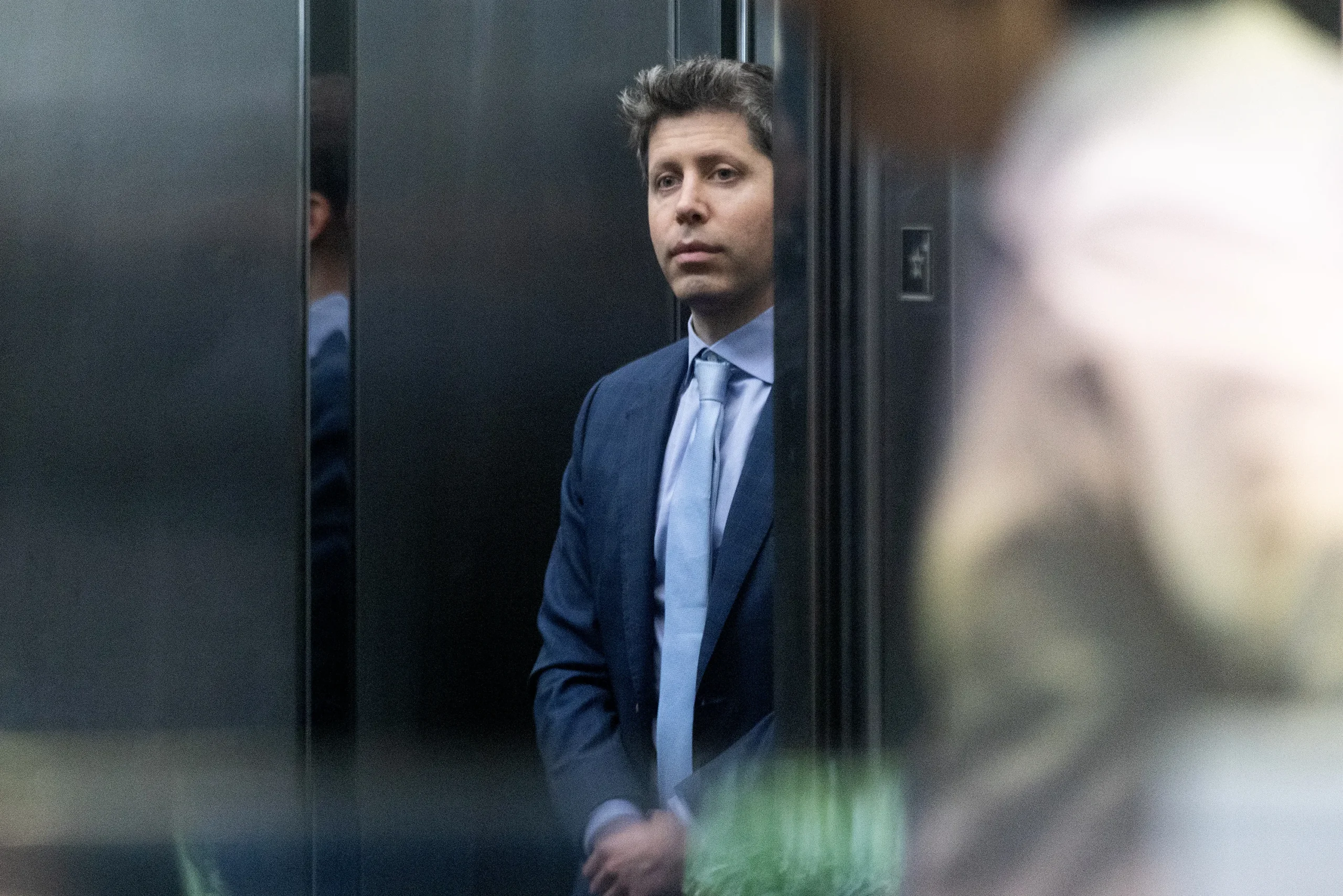
OpenAI CEO Sam Altman took the stand this week in a federal lawsuit brought by Elon Musk, recounting tense early discussions among the company’s founders about the for‑profit transition and governance. During that testimony, Altman shared a striking moment from 2017: when asked what would happen if Musk controlled the company and then died, Musk allegedly suggested that OpenAI control “should pass to my children.”
For Altman, the comment was more than unusual — it represented a philosophical clash at the heart of OpenAI’s mission. OpenAI was originally conceived to ensure safe, widely shared development of artificial general intelligence, not to concentrate control in the hands of one family or individual.
Altman made clear he was “extremely uncomfortable” with the idea of dynastic control. Instead, the founders envisioned checks and balances to prevent any one actor — regardless of intent — from dominating AI’s trajectory.
Why Musk’s Comments Matter
Mission vs. Control
Musk’s legal claims against OpenAI revolve around the accusation that Altman and others betrayed the company’s original nonprofit mission by steering it toward a commercial for‑profit model. Musk’s lawsuit seeks major legal remedies, including financial redress and structural change.
Altman’s testimony reframes part of the dispute. Rather than mere disagreement over profit models, Altman suggested that Musk’s focus was more about retaining control than about the nonprofit principles he now champions in court.
This divergence speaks to a broader tension in Silicon Valley. Some founders prioritize mission and governance, while others emphasize scale, capital, and influence — often at the expense of original ideals.
The Broader Impact on AI Governance
What This Means for the Tech World
The Musk vs. Altman trial is not just a feud between former collaborators — it’s a bellwether moment for AI governance and corporate ethics. If a major tech figure can envision a future where control of powerful AI technology passes down through family lines, it raises tough questions about who gets to decide the fate of transformative technologies.
Legal experts and observers are watching closely because the trial’s outcome could influence how other AI firms structure leadership, balances of power, and mission commitments. If Musk’s claims succeed in reshaping OpenAI’s corporate life, the consequences could ripple across the industry.
At the same time, Altman’s defense highlights that OpenAI’s leadership believes decentralized control and safety are paramount, even if that stance complicates relationships with influential founders.
Conclusion — What Comes Next
As the trial continues, the debate over control, mission, and legacy in AI leadership will only intensify. Altman’s testimony about Musk’s unusual idea — passing OpenAI to his children — underscores how personal visions can shape corporate history.