DeepSeek and Alibaba are locked in a race that has nothing to do with who builds the smartest model anymore. It’s about who can run one for the least money, and this week both companies made their boldest moves yet in China’s AI price war.
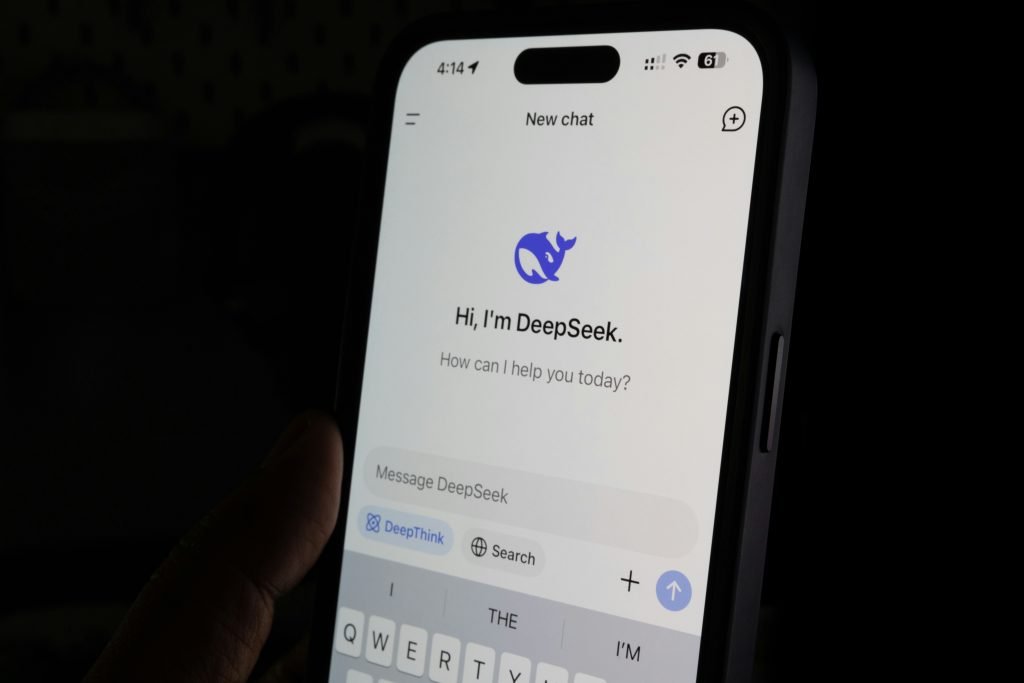
On August 1, DeepSeek released V4-Flash, an open-weight model that undercuts its own rivals by a wide margin. Two days later, Alibaba answered with Qwen3.8-Max, a 2.4-trillion-parameter model it calls its largest and most capable yet. Neither company is backing down, and the fallout is starting to reach well beyond China’s borders.
DeepSeek Bets Everything on Cost
DeepSeek’s V4-Flash isn’t the strongest model on the market. Independent benchmarking from Artificial Analysis put its intelligence score behind Moonshot’s Kimi K3, and well behind Anthropic’s Opus 5 and OpenAI’s GPT-5.6. What it does have is price. Output tokens run at a fraction of what U.S. labs charge, and DeepSeek cut costs by roughly half compared to its previous model, while shelving a planned peak-hour price hike altogether.
That decision looks less like a technical milestone and more like a market share grab. DeepSeek no longer has the field to itself. Moonshot, MiniMax, Zhipu AI, ByteDance, and Alibaba are all fighting for the same enterprise customers, and cheap inference has become the easiest way to win a deal.
Why the Discount Is So Steep
Some estimates put DeepSeek’s pricing at roughly one-hundredth the cost of comparable U.S. models on a per-task basis. For a startup that built its budget around API rates from Claude or GPT, that kind of gap isn’t something a few optimizations can close. It forces an actual rethink of the business model.
Alibaba Goes the Other Direction: Scale
Where DeepSeek is racing to the bottom on price, Alibaba is racing to the top on size. Qwen3.8-Max is a bet that raw parameter count still matters to enterprise buyers who need a model that can handle complex, high-stakes work, not just cheap chat completions.
Parameter count alone doesn’t guarantee better output. But it remains one of the few numbers everyone in the industry still watches closely, and Alibaba clearly wants Qwen back in that conversation.
Beijing Is Watching Nervously
China’s government has openly warned tech companies against “involution,” the kind of race-to-the-bottom pricing that gutted margins in solar panels and electric vehicles. At the same time, state support for compute and energy costs is part of what makes ultra-low pricing possible in the first place, which makes the warning feel a little contradictory.
The Takeaway
Whatever happens next, the AI industry’s center of gravity is shifting. Chinese labs now occupy several of the top spots on global usage leaderboards, and the pressure on U.S. pricing is real. For businesses evaluating AI vendors, the question isn’t just which model performs best anymore. It’s which one still makes financial sense.