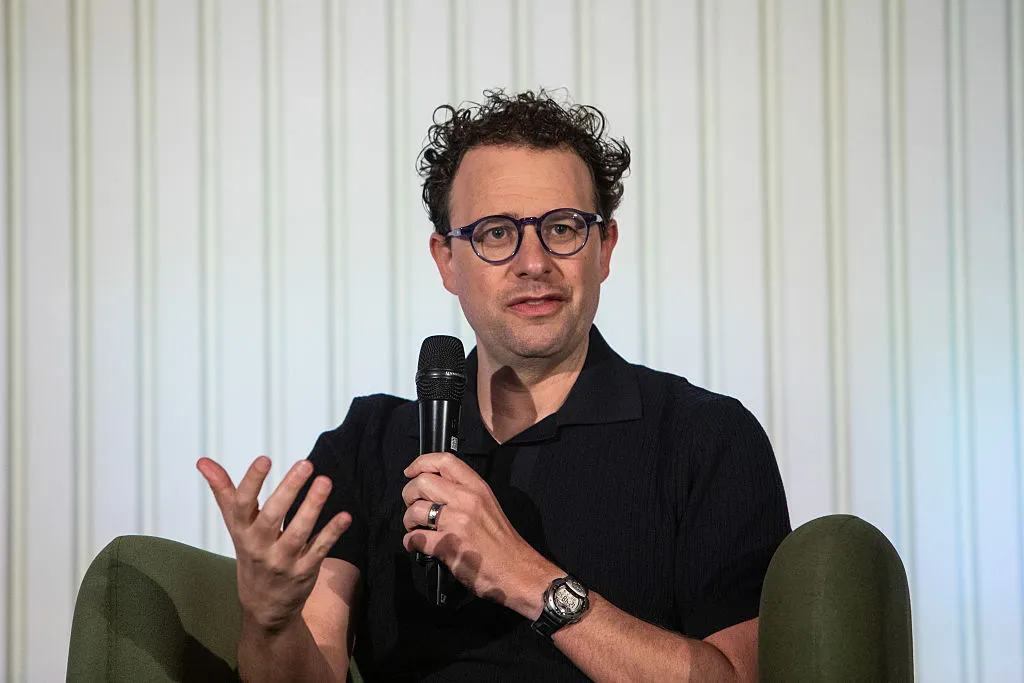
Public pushback against AI isn’t slowing down, and now one of the industry’s own leaders is admitting why. Anthropic CEO Dario Amodei says the growing AI backlash is “fundamentally a crisis of trust,” not a messaging problem — and the honesty behind that statement is turning heads.
What Sparked the Comments
Amodei’s remarks came as a direct response to investor Gavin Baker, who argued on the All-In podcast that Amodei’s own warnings about AI risks have fueled public resistance, particularly opposition to data center construction. Baker suggested Amodei had “lost the argument” on regulation and should be a stronger advocate for the industry.
Amodei disagreed on X, pushing back against the idea that his messaging has been overly negative. He pointed out that his public writing has been split fairly evenly between essays on AI risks and essays on AI’s potential benefits.
Instead of blaming tone or framing, Amodei redirected the conversation toward something deeper: public distrust in tech and government that predates the AI industry entirely.
Why Amodei Says This Is About Trust, Not Talk
According to Amodei, ordinary people don’t trust companies, governments, or the tech industry broadly, and that skepticism shows up as suspicion toward whatever new technology comes next. AI, in his view, is simply the latest target for decades of accumulated distrust.
What makes his comments notable is the self-criticism attached. Amodei openly admitted that the most accurate complaint against AI companies, including Anthropic, is that they haven’t yet delivered on the big promises they’ve made to benefit society.
He also rejected the idea that regulation automatically leads to concentrated corporate power, a common argument in Silicon Valley circles. Amodei said his company tries to design policy proposals that constrain frontier AI firms rather than protect them.
The Bigger Picture for AI Companies
This isn’t just an online spat between a CEO and an investor. The backlash Amodei describes has real consequences, showing up as regulatory hearings, lawsuits, and increased scrutiny of AI companies across the industry.
Amodei has floated ideas like third-party safety testing requirements and giving regulators authority to pause unsafe AI deployments, drawing comparisons to how aviation safety rules made flying safer without destroying the airline industry.
His underlying message is blunt: talking about AI’s benefits won’t rebuild public trust. Delivering visible, tangible results — not better PR — is what will.
Conclusion: Trust Is Earned Through Delivery, Not Debate
Amodei’s comments cut against the instinct many tech leaders have to treat public skepticism as a communication failure. His argument suggests the AI industry’s credibility problem runs much deeper, and only real-world results will fix it.
As AI companies continue racing to prove their value, this debate over trust versus talk is likely far from over. What do you think it will take for the AI industry to earn back public confidence?